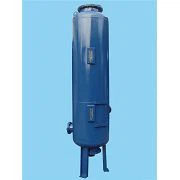
What is the Capacity Range of Typical Fermentation Tanks?
As a trusted fermentation tank supplier, I often encounter inquiries from clients about the capacity range of typical fermentation tanks. Understanding this range is crucial for various industries, including brewing, winemaking, pharmaceuticals, and biofuel production. In this blog post, I'll delve into the different capacity ranges of fermentation tanks, their applications, and factors to consider when choosing the right capacity for your needs.
Small - Scale Fermentation Tanks (Less than 100 Liters)
Small - scale fermentation tanks are commonly used by homebrewers, small - batch winemakers, and educational institutions. These tanks are ideal for experimental projects, recipe development, and producing limited quantities of products.
For homebrewers, a fermentation tank with a capacity of 5 - 20 liters is quite popular. It allows them to create their own unique beer styles without investing in large - scale equipment. These small tanks are often made of food - grade plastic or stainless steel and are relatively easy to clean and maintain. They are also portable, which is a great advantage for hobbyists.
In educational settings, small fermentation tanks are used to teach students about the fermentation process. A 10 - 50 - liter tank can be used to demonstrate how yeast converts sugars into alcohol and carbon dioxide in brewing or how bacteria produce lactic acid in yogurt making.
You can find a variety of small - scale fermentation solutions in our product line, such as the [Stainless Steel Fermentation Tank Polished Or Sandblast External Surface Tri Clamp Ferrule Connection Size Customized](/tank/fermentation - tank/stainless - steel - fermentation - tank - polished - or.html). This tank offers flexibility in terms of surface finish and can be customized to fit your specific requirements.
Medium - Scale Fermentation Tanks (100 - 5000 Liters)
Medium - scale fermentation tanks are widely used by craft breweries, small - to - medium - sized wineries, and some pharmaceutical companies. Craft breweries often use tanks in the 500 - 2000 - liter range to produce a consistent supply of their popular beer styles. These tanks allow for a balance between production volume and cost - effectiveness.
Wineries with a production capacity of a few thousand cases per year also rely on medium - scale fermentation tanks. A 1000 - 5000 - liter tank can handle the fermentation of a significant amount of grapes, producing high - quality wines. The temperature and pressure control features of these tanks are crucial for ensuring the proper fermentation process and the final quality of the wine.
In the pharmaceutical industry, medium - scale fermentation tanks are used for the production of certain drugs and vaccines. They are designed to meet strict hygiene and quality control standards. Our [Stainless Steel Industrial 500L - 10000L Fermenter Beer Wine Brewing Vessel Fementation Storage Tank](/tank/fermentation - tank/stainless - steel - industrial - 500l - 10000l.html) is suitable for medium - scale applications, offering a range of capacities and high - quality construction.
Large - Scale Fermentation Tanks (More than 5000 Liters)
Large - scale fermentation tanks are the backbone of major breweries, large wineries, and industrial biofuel production facilities. Major breweries may use tanks with capacities ranging from 10,000 to over 100,000 liters. These massive tanks allow for the production of large volumes of beer to meet the high demand of the market.

In the wine industry, large - scale fermentation tanks are used by large wineries that produce millions of bottles of wine each year. The large capacity enables them to handle large grape harvests efficiently. These tanks are often equipped with advanced monitoring and control systems to ensure the consistency and quality of the wine.
For biofuel production, large - scale fermentation tanks are used to convert biomass into biofuels such as ethanol. The large volume is necessary to achieve an economically viable production rate.
Factors to Consider When Choosing the Capacity
When selecting the capacity of a fermentation tank, several factors need to be taken into account.
- Production Volume: The most obvious factor is the amount of product you need to produce. If you are a small - batch producer, a small - scale tank will be sufficient. However, if you plan to expand your business or meet a high market demand, a larger - scale tank may be necessary.
- Space Availability: The size of your production facility will limit the size of the fermentation tank you can install. Make sure to measure the available space carefully and consider the access for installation, cleaning, and maintenance.
- Cost: Larger tanks generally have a higher upfront cost, but they may offer better cost - per - liter production in the long run. You also need to consider the cost of operation, including energy consumption, cleaning chemicals, and labor.
- Product Quality: Different capacities may affect the fermentation process and the final product quality. Smaller tanks may provide more control over the fermentation conditions, which can be beneficial for producing high - quality, artisanal products. Larger tanks require more advanced control systems to maintain consistent quality.
Conclusion
The capacity range of typical fermentation tanks varies widely, from small - scale tanks for home use and experimentation to large - scale tanks for industrial production. As a fermentation tank supplier, we offer a comprehensive range of products to meet the diverse needs of our clients. Whether you are a homebrewer looking for a small tank or a large - scale industrial producer in need of a massive fermentation vessel, we have the right solution for you.
If you are interested in learning more about our fermentation tanks or have specific requirements for your project, we encourage you to [contact us](/contact - us.html) for a detailed consultation. Our team of experts is ready to assist you in choosing the most suitable fermentation tank for your needs and guide you through the procurement process.
References
- "Fermentation Technology Handbook" by Olusegun B. Fasidi and John A. Oloke
- "Brewing Science: A Multidisciplinary Approach" by George Fix
- "Wine Science: Principles and Applications" by Ronald S. Jackson