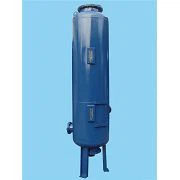
Hey there! I'm a supplier of pressure vessels, and today I'm gonna chat about the materials used to make these bad boys. Pressure vessels are super important in a bunch of industries, from chemical processing to food and beverage, and even power generation. They need to be tough, reliable, and able to handle all sorts of pressures and temperatures. So, what are the materials that make them up? Let's dive in!
Steel: The Go - To Material
Steel is hands - down the most common material for making pressure vessels. It's strong, durable, and relatively easy to work with. There are different types of steel used, but carbon steel is a popular choice. It's cost - effective and has good mechanical properties. Carbon steel pressure vessels can handle a wide range of pressures and temperatures, making them suitable for many general applications.
Stainless steel is another top pick. It has all the strength of carbon steel, but with the added bonus of corrosion resistance. This is crucial when the pressure vessel is going to be used in environments where it might come into contact with corrosive substances, like chemicals or saltwater.
For example, if you're looking for a high - quality pressure vessel component, you might check out our Stainless Steel Cartridge Filter Housing Sanitary Double Flanges With Legs. It's made of stainless steel, so it can withstand harsh conditions and keep your filtration process running smoothly.
Aluminum: Lightweight and Useful
Aluminum is a great option when weight is a concern. It's much lighter than steel, which can be a big advantage in applications where portability or reduced weight is important, like in some aerospace or transportation - related pressure vessel uses.
Aluminum also has good corrosion resistance, especially when it forms a natural oxide layer on its surface. However, it's not as strong as steel, so it's typically used in applications with lower pressure requirements.
Titanium: The High - Performance Option
Titanium is a real heavy - hitter in the pressure vessel world. It's incredibly strong, yet lightweight. Titanium has excellent corrosion resistance, even in extremely harsh environments. It can withstand high temperatures and pressures, making it ideal for high - end applications in the chemical, aerospace, and medical industries.
But here's the catch: titanium is expensive. It's more costly to produce and machine compared to steel or aluminum. So, it's usually reserved for applications where its unique properties are absolutely necessary.
Composite Materials: The New Kids on the Block
Composite materials are becoming more and more popular in pressure vessel manufacturing. These materials are made by combining two or more different materials to get the best of both worlds. For example, a fiber - reinforced composite might use carbon fibers or glass fibers embedded in a resin matrix.
Composite pressure vessels can be very lightweight, yet have high strength and excellent corrosion resistance. They're also often more flexible in terms of design, allowing for custom shapes and sizes. However, they can be more difficult to manufacture and require specialized knowledge and equipment.
Cast Iron: Old but Still Relevant
Cast iron has been used for a long time in pressure vessel construction. It's strong and has good heat retention properties. It's often used in applications where high - temperature stability is needed, like in some heating systems or industrial furnaces.
However, cast iron is brittle compared to steel. It can crack under sudden stress or impact, so it's not suitable for all applications. But in the right situations, it can still be a reliable choice.
Copper and Copper Alloys
Copper and its alloys, like brass and bronze, are used in pressure vessels where good thermal conductivity is required. They're also resistant to corrosion in some environments, especially in water - based systems.
For example, copper - alloy pressure vessels might be used in refrigeration systems or in some types of heat exchangers. They can efficiently transfer heat, which is crucial for the proper functioning of these systems.


Material Selection Considerations
When choosing the material for a pressure vessel, there are several factors to consider. First and foremost is the pressure and temperature requirements of the application. You need a material that can handle the maximum pressure and temperature it will be exposed to without failing.
Corrosion resistance is also a big deal. If the pressure vessel will be in contact with corrosive substances, you need a material that can stand up to that. Cost is another important factor. You want to get the best material for the job, but you also have to stay within budget.
The size and shape of the pressure vessel can also influence material selection. Some materials are easier to form into certain shapes than others. And of course, the intended use of the pressure vessel, whether it's for industrial, commercial, or residential purposes, will play a role in the decision - making process.
If you're in the market for a pressure vessel, we've got a great option for you: our SS304/316L Double Basic Flange Precision Liquid Filter Cartridge Housing With Legs. It's made of high - quality stainless steel, ensuring durability and corrosion resistance for your liquid filtration needs.
And for those looking for a basic yet reliable water filter cartridge housing, check out our SS Water Filter Cartridge Housing Basic Flange Type. It's designed to provide efficient filtration and is made of a suitable material to handle water - related applications.
Why Choose Our Pressure Vessels
As a pressure vessel supplier, we take pride in offering high - quality products made from the best materials. We understand the importance of getting the right material for your specific application. Our team of experts can help you select the perfect material and design a pressure vessel that meets your exact requirements.
We use the latest manufacturing techniques and quality control processes to ensure that every pressure vessel we produce is safe, reliable, and built to last. Whether you need a small, custom - made pressure vessel or a large, industrial - scale one, we've got you covered.
If you're interested in learning more about our pressure vessels or want to discuss your specific needs, don't hesitate to reach out. We're here to help you find the best solution for your pressure vessel requirements. Whether it's for a new project or to replace an existing pressure vessel, we can provide you with the right product at a competitive price.
So, if you're in the market for a pressure vessel, get in touch with us today. Let's start a conversation about how we can meet your needs and get your project off the ground.
References
- ASME Boiler and Pressure Vessel Code
- "Materials Science and Engineering: An Introduction" by William D. Callister Jr. and David G. Rethwisch
- Various industry research papers on pressure vessel materials and manufacturing.