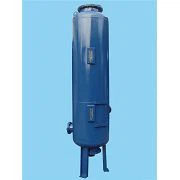
As a supplier of PP filter housings, I often get asked about the potential drawbacks of using these products. While PP filter housings offer numerous advantages, it's important to be aware of their limitations as well. In this blog post, I'll discuss some of the possible disadvantages of using a PP filter housing and how they can be mitigated.
1. Limited Temperature Resistance
One of the primary disadvantages of PP filter housings is their relatively low temperature resistance. Polypropylene (PP) is a thermoplastic material that begins to soften and deform at elevated temperatures. Typically, PP filter housings are designed to operate within a temperature range of -10°C to 80°C (14°F to 176°F). If the operating temperature exceeds this range, the housing may lose its structural integrity, leading to leaks or even complete failure.
This limitation can be a significant issue in applications where high-temperature fluids need to be filtered. For example, in industrial processes such as chemical manufacturing, food and beverage production, or power generation, the fluid temperature can often reach well above 80°C. In these cases, alternative filter housing materials such as stainless steel or high-temperature plastics may be more suitable.
However, for many common applications, such as residential water filtration, aquarium filtration, or low-temperature industrial processes, the temperature range of PP filter housings is usually sufficient. As a supplier, I always recommend that customers carefully consider the operating temperature requirements of their application before selecting a filter housing.
2. Chemical Compatibility
Another potential disadvantage of PP filter housings is their limited chemical compatibility. While polypropylene is resistant to many common chemicals, it can be attacked by certain solvents, acids, and bases. Exposure to incompatible chemicals can cause the housing to swell, crack, or dissolve, which can compromise the filtration performance and lead to contamination of the filtered fluid.
The chemical compatibility of PP filter housings depends on several factors, including the type and concentration of the chemical, the temperature, and the duration of exposure. Before using a PP filter housing with a particular chemical, it's essential to consult the chemical compatibility chart provided by the manufacturer. This chart will indicate whether the housing is suitable for use with the specific chemical under the given conditions.
In some cases, it may be necessary to use a different filter housing material or to provide additional protection for the PP housing, such as a chemical-resistant coating or liner. As a supplier, I can offer guidance on chemical compatibility and help customers select the most appropriate filter housing for their application.
3. Pressure Rating
PP filter housings have a limited pressure rating compared to some other types of filter housings, such as stainless steel or carbon steel. The pressure rating of a PP filter housing is typically in the range of 100 to 300 psi (pounds per square inch), depending on the size and design of the housing. If the operating pressure exceeds the rated pressure, the housing may rupture or burst, posing a safety hazard.
This limitation can be a concern in applications where high-pressure fluids need to be filtered, such as in hydraulic systems or high-pressure water treatment processes. In these cases, a filter housing with a higher pressure rating, such as a stainless steel housing, may be required.
However, for many low-pressure applications, such as residential water filtration or low-pressure industrial processes, the pressure rating of PP filter housings is usually adequate. As a supplier, I always ensure that customers are aware of the pressure rating of the filter housing they are purchasing and provide recommendations based on their specific application requirements.
4. Durability and Longevity
Compared to some other materials, such as stainless steel or cast iron, PP filter housings may have a shorter lifespan. Polypropylene is a relatively soft and flexible material, which makes it more susceptible to damage from physical impact, abrasion, or environmental factors. Over time, the housing may develop cracks, scratches, or other signs of wear and tear, which can reduce its effectiveness and lead to premature failure.
In addition, exposure to sunlight, ozone, or other environmental factors can cause the PP material to degrade over time, leading to a loss of strength and flexibility. This can be a particular issue in outdoor applications or in environments where the housing is exposed to harsh weather conditions.
To extend the lifespan of PP filter housings, it's important to handle them carefully during installation and use, avoid exposing them to physical damage or harsh environmental conditions, and follow the manufacturer's maintenance recommendations. As a supplier, I can provide customers with information on proper installation, maintenance, and storage of PP filter housings to help ensure their long-term performance.
5. Limited Filtration Capacity
PP filter housings are typically designed for relatively low to medium flow rates and filtration capacities. The size and design of the housing limit the number and size of filter cartridges that can be installed, which in turn affects the overall filtration capacity. In applications where high flow rates or large volumes of fluid need to be filtered, multiple PP filter housings may need to be used in parallel, which can increase the cost and complexity of the filtration system.
For example, in a large-scale water treatment plant, a single PP filter housing may not be able to handle the high flow rate required. In this case, multiple housings would need to be installed in a parallel configuration to achieve the desired filtration capacity. This can require additional space, plumbing, and maintenance, which can add to the overall cost of the system.
However, for many small to medium-sized applications, such as residential water filtration or small industrial processes, the filtration capacity of PP filter housings is usually sufficient. As a supplier, I can help customers determine the appropriate number and size of filter housings based on their specific flow rate and filtration requirements.
Mitigating the Disadvantages
While the disadvantages of using a PP filter housing are significant, they can often be mitigated through careful selection, proper installation, and regular maintenance. Here are some tips to help customers overcome these challenges:


- Select the Right Housing: Before purchasing a PP filter housing, carefully consider the operating temperature, chemical compatibility, pressure rating, and filtration capacity requirements of your application. Consult with a supplier or filtration expert to ensure that you select the most appropriate housing for your needs.
- Follow Installation Guidelines: Proper installation is crucial for the performance and longevity of a filter housing. Make sure to follow the manufacturer's installation instructions carefully, including using the correct fittings, gaskets, and sealants. Improper installation can lead to leaks, pressure drops, and other problems.
- Maintain the Housing: Regular maintenance is essential to keep the filter housing in good working condition. This includes cleaning the housing, replacing the filter cartridges at the recommended intervals, and inspecting the housing for signs of damage or wear. By following a regular maintenance schedule, you can extend the lifespan of the housing and ensure optimal filtration performance.
- Consider Alternative Materials: If the limitations of PP filter housings are a significant concern for your application, consider using alternative filter housing materials. Stainless steel, carbon steel, and high-temperature plastics offer better temperature resistance, chemical compatibility, and pressure ratings than PP. However, these materials are usually more expensive than PP, so you'll need to weigh the cost against the benefits.
Conclusion
In conclusion, while PP filter housings offer many advantages, such as low cost, lightweight, and ease of installation, they also have some potential disadvantages, including limited temperature resistance, chemical compatibility, pressure rating, durability, and filtration capacity. As a supplier, I understand the importance of providing customers with accurate information about the pros and cons of different filter housing materials. By carefully considering the specific requirements of each application and taking appropriate measures to mitigate the disadvantages, customers can select the most suitable filter housing for their needs.
If you're in the market for a filter housing and have any questions or concerns about the suitability of PP filter housings for your application, please don't hesitate to contact me. I'm here to help you make an informed decision and provide you with the best possible filtration solution.
For more information about our range of filter housings, including SS304/316L Double Basic Flange Precision Liquid Filter Cartridge Housing With Legs, JIADUN Common Flange Housing Filtering Water Treatment, and SS Water Filter Cartridge Housing Basic Flange Type, please visit our website or contact us directly. We look forward to working with you to meet your filtration needs.
References
- Manufacturer's technical documentation for PP filter housings
- Chemical compatibility charts for polypropylene
- Industry standards and guidelines for filter housing selection and installation