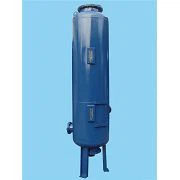
As a seasoned supplier of ion exchangers, I've witnessed firsthand the pivotal role these devices play in various industries. Ion exchangers are essential for water treatment, purification processes, and countless other applications. However, like all equipment, they require proper maintenance and regeneration to ensure optimal performance and longevity. In this blog post, I'll share my insights on how to regenerate an ion exchanger effectively.
Understanding Ion Exchangers
Before delving into the regeneration process, it's crucial to understand what an ion exchanger is and how it works. An ion exchanger is a device that uses a solid or liquid medium to exchange ions in a solution. The most common type of ion exchanger is a resin bed, which consists of tiny beads coated with charged functional groups. These functional groups attract and bind specific ions from the solution, effectively removing them from the water.
There are two main types of ion exchangers: cation exchangers and anion exchangers. Cation exchangers remove positively charged ions, such as calcium, magnesium, and sodium, while anion exchangers remove negatively charged ions, such as chloride, sulfate, and nitrate. Depending on the application, ion exchangers can be used individually or in combination to achieve the desired level of purification.
Why Regenerate an Ion Exchanger?
Over time, the resin bed in an ion exchanger becomes saturated with the ions it has removed from the solution. When this happens, the exchanger's capacity to remove additional ions decreases, and the quality of the treated water begins to decline. Regeneration is the process of restoring the resin bed's capacity by removing the accumulated ions and replacing them with fresh ions.
Regenerating an ion exchanger offers several benefits, including:
- Improved Performance: By restoring the resin bed's capacity, regeneration ensures that the ion exchanger can continue to remove ions effectively, resulting in higher-quality treated water.
- Extended Lifespan: Regular regeneration helps prevent the resin bed from becoming permanently fouled or damaged, extending the lifespan of the ion exchanger and reducing the need for costly replacements.
- Cost Savings: By maintaining the efficiency of the ion exchanger, regeneration reduces the amount of energy and chemicals required for water treatment, resulting in cost savings over time.
The Regeneration Process
The regeneration process for an ion exchanger typically involves three main steps: backwashing, regeneration, and rinsing. Let's take a closer look at each step:
Backwashing
Backwashing is the first step in the regeneration process and involves reversing the flow of water through the resin bed to remove any debris, sediment, or suspended solids that may have accumulated on the surface of the resin beads. This helps prevent the resin bed from becoming clogged and ensures that the regeneration solution can penetrate the resin bed evenly.
To backwash an ion exchanger, follow these steps:
- Shut off the inlet and outlet valves: Before starting the backwashing process, make sure to shut off the inlet and outlet valves to prevent water from flowing through the ion exchanger.
- Open the backwash valve: Open the backwash valve to allow water to flow through the resin bed in the opposite direction. The flow rate should be adjusted to ensure that the resin bed is fluidized but not washed out of the exchanger.
- Monitor the backwash water: As the backwash water flows out of the exchanger, monitor it for any signs of debris or sediment. Continue backwashing until the water runs clear.
- Close the backwash valve: Once the backwashing process is complete, close the backwash valve and allow the resin bed to settle.
Regeneration
Regeneration is the second step in the process and involves introducing a regeneration solution into the resin bed to remove the accumulated ions and replace them with fresh ions. The type of regeneration solution used depends on the type of ion exchanger and the ions being removed.
For cation exchangers, the most common regeneration solution is a solution of sodium chloride (NaCl), also known as brine. The brine solution contains a high concentration of sodium ions, which displace the calcium, magnesium, and other cations that have been adsorbed onto the resin beads.
For anion exchangers, the most common regeneration solution is a solution of sodium hydroxide (NaOH). The sodium hydroxide solution contains a high concentration of hydroxide ions, which displace the chloride, sulfate, and other anions that have been adsorbed onto the resin beads.
To regenerate an ion exchanger, follow these steps:
- Prepare the regeneration solution: Depending on the type of ion exchanger and the size of the resin bed, prepare the appropriate amount of regeneration solution according to the manufacturer's instructions.
- Introduce the regeneration solution: Open the regeneration valve and slowly introduce the regeneration solution into the resin bed. The flow rate should be adjusted to ensure that the regeneration solution is evenly distributed throughout the resin bed.
- Allow the regeneration solution to react: Once the regeneration solution has been introduced into the resin bed, allow it to react with the resin beads for a specified period of time. This allows the regeneration solution to displace the accumulated ions and replace them with fresh ions.
- Drain the regeneration solution: After the specified reaction time has elapsed, drain the regeneration solution from the ion exchanger.
Rinsing
Rinsing is the final step in the process and involves flushing the resin bed with water to remove any remaining regeneration solution and ions. This helps ensure that the treated water is free of any residual chemicals or contaminants.
To rinse an ion exchanger, follow these steps:
- Open the rinse valve: Open the rinse valve to allow water to flow through the resin bed in the normal direction. The flow rate should be adjusted to ensure that the resin bed is thoroughly rinsed.
- Monitor the rinse water: As the rinse water flows out of the exchanger, monitor it for any signs of residual regeneration solution or ions. Continue rinsing until the water meets the desired quality standards.
- Close the rinse valve: Once the rinsing process is complete, close the rinse valve and the ion exchanger is ready to be put back into service.
Tips for Effective Regeneration
To ensure that your ion exchanger is regenerated effectively and efficiently, here are some tips to keep in mind:
- Follow the Manufacturer's Instructions: Always follow the manufacturer's instructions when it comes to regenerating your ion exchanger. This includes using the recommended type and concentration of regeneration solution, as well as the appropriate flow rates and reaction times.
- Use High-Quality Regeneration Solutions: The quality of the regeneration solution can have a significant impact on the effectiveness of the regeneration process. Make sure to use high-quality regeneration solutions that are free of impurities and contaminants.
- Monitor the Regeneration Process: During the regeneration process, it's important to monitor the flow rates, pressures, and water quality to ensure that the process is proceeding as expected. Any deviations from the normal operating parameters should be investigated and corrected immediately.
- Keep Records: Keeping detailed records of the regeneration process can help you track the performance of your ion exchanger over time and identify any potential issues or trends. Make sure to record the date, time, type and amount of regeneration solution used, and any other relevant information.
Conclusion
Regenerating an ion exchanger is an essential part of maintaining its performance and longevity. By following the steps outlined in this blog post and implementing the tips for effective regeneration, you can ensure that your ion exchanger continues to provide high-quality water treatment for years to come.

If you're in the market for a new ion exchanger or need assistance with regenerating your existing one, I invite you to explore our range of products. We offer a wide selection of ion exchangers, including Stainless Steel Ion Exchange Softening Vessel For Resin Water Softener Equipment and High Efficiency Hardness Removal Industrial Water Softener Equipment Sodium Stainless Steel Carbon Steel Ion Exchanger. Our team of experts is always available to answer your questions and provide you with the support you need to make the right choice for your specific needs.
Contact us today to learn more about our products and services and to start a conversation about your ion exchanger requirements. We look forward to working with you!
References
- AWWA (American Water Works Association). (2017). Water Quality and Treatment: A Handbook of Community Water Supplies. McGraw-Hill Education.
- Crittenden, J. C., Trussell, R. R., Hand, D. W., Howe, K. J., & Tchobanoglous, G. (2012). Water Treatment: Principles and Design. John Wiley & Sons.
- Letterman, R. D. (2005). Water Quality and Treatment. American Water Works Association.